

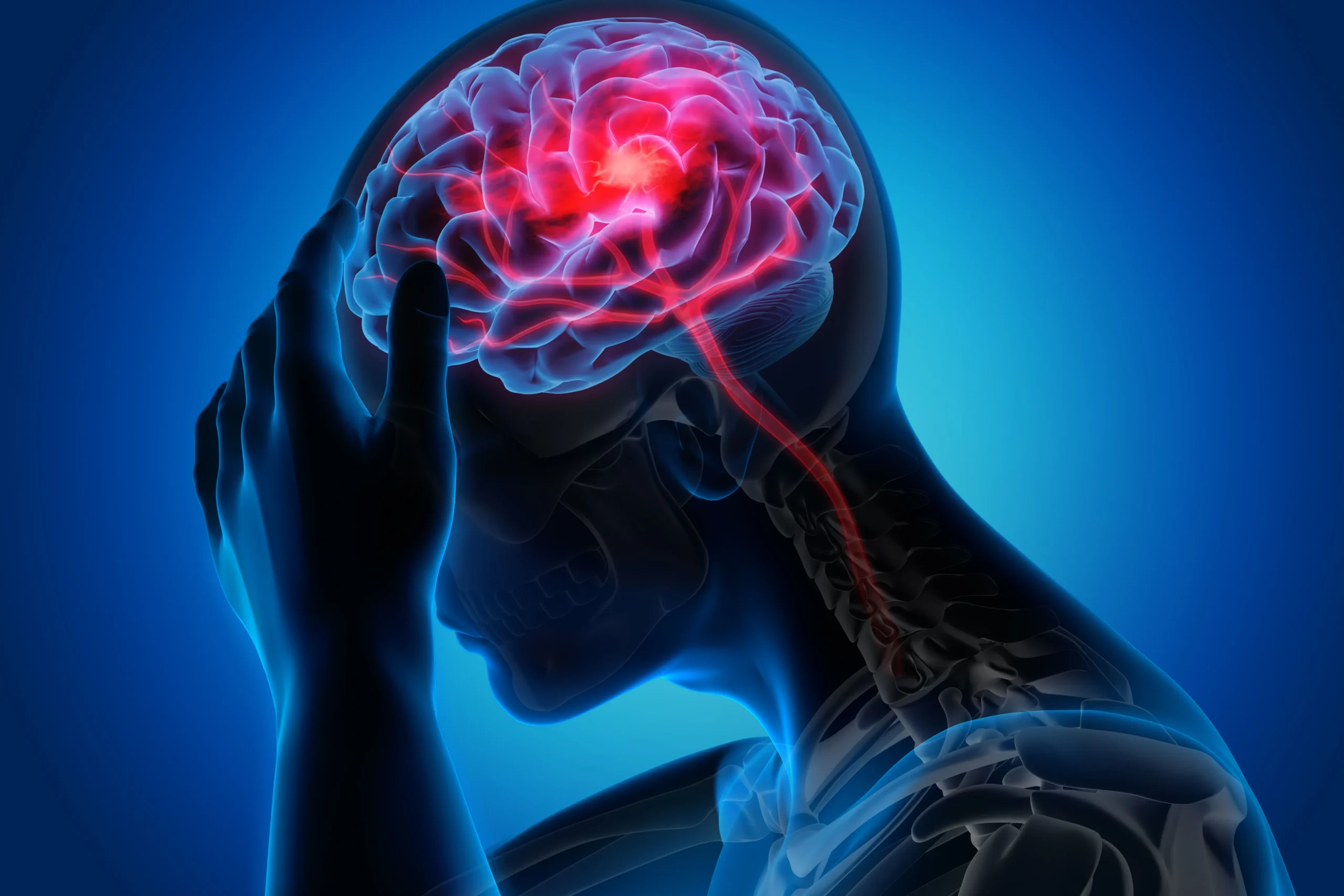
Can You Have a Traumatic Brain Injury Without Hitting Your Head or Losing Consciousness? Yes Here’s the Virginia Law and the Medicine
A common question Virginia brain injury clients ask: “I never hit my head — and I never blacked out. Can I really have a brain injury?” The answer is yes. The medicine has been clear for decades. Nevertheless, the insurance companies in Virginia personal injury cases argue exactly the opposite on nearly every mild TBI or concussion case.
This post explains how a mild TBI or concussion can occur without head impact and without loss of consciousness, why those two factors are not required for the diagnosis, and how the insurance industry still uses the absence of those two factors to deny legitimate Virginia claims. For the broader picture on these claims, read our post on Virginia traumatic brain injury and concussion claims. For the related defense playbook and how we handle these cases, see our post on the most common defenses insurance companies raise in Virginia TBI cases.
| The brain doesn’t need to be struck to be injuredThe brain floats in cerebrospinal fluid inside a hard skull. When the head accelerates and decelerates rapidly — even without striking anything — the brain moves inside the skull. That motion alone can stretch and shear the long, fragile axons that carry signal between brain regions. No bruise. No fracture. But often a TBI. |
What you will learn in this guide
- How the brain can be injured without an external impact
- Why loss of consciousness is not required for a TBI diagnosis
- The biomechanics of acceleration-deceleration and rotational injury
- Why low-speed crashes still cause concussions
- The Glasgow Coma Scale, alteration of consciousness, and common emergency-room misses
- How insurance companies in Virginia exploit the no-impact/no-loss of consciousness narrative
- How an experienced Virginia trial attorney builds these cases in anticipation of this narrative
How the Brain Is Injured Without Direct Impact
Short answer: The brain is a soft organ suspended in fluid inside a hard skull. When the head and neck accelerate or decelerate suddenly, the brain shifts and rotates inside the skull. That motion stretches and shears axons, microvasculature, and brain tissue — even when nothing strikes the head from the outside.
Modern biomechanics and neuroscience have repeatedly demonstrated that the human brain can be injured by inertial forces alone. The classic example is a rear-end car crash. The vehicle is struck from behind. The torso is pushed forward by the seatback. The head, which has its own mass, lags behind for a moment and then snaps forward, then often snaps back. The brain inside the skull does the same thing — but slightly out of phase with the skull.
That movement creates two well-known mechanisms of brain injury:
- Coup and contrecoup forces — pressure differentials between the side of the brain that meets the inside of the skull first and the opposite side, even with no external blow
- Rotational and shear forces — the brain twists and shifts within the skull, stretching axons and small blood vessels along the white-matter tracts that connect brain regions
Diffuse axonal injury — the microscopic stretching and disruption of axons — is one of the most common findings in mild and moderate TBI. It is invisible on CT and frequently invisible on standard MRI.
These phenomenon can occur whether or not the head ever hit the headrest, the steering wheel or any other part of the interior of the vehicle.
Loss of Consciousness Is Not Required for a TBI Diagnosis
Short answer: The medical definition of mild traumatic brain injury includes any of several criteria — confusion, disorientation, memory loss, or altered mental status. Loss of consciousness is one possible criterion, but not a required one. Most concussions occur without any loss of consciousness at all.
A mild TBI or concussion diagnosis turns on the mechanism of injury and one or more of the following: a brief loss of consciousness, alteration of consciousness (feeling stunned, confused, dazed), post-traumatic amnesia (gaps in memory around the event), or focal neurological deficits.
“I felt dazed but never blacked out” is a textbook description of altered consciousness — which is itself one of the diagnostic criteria for mild TBI. Similarly, experiences like “I do not remember the moments right before or after the impact,” or “I felt stunned and could not focus on what the officer was saying,” “I had trouble getting the words out to explain to my family what happened” are common examples that could indicate the type of temporary alteration of consciousness doctors look for when diagnosing TBI.
The Glasgow Coma Scale was not designed to diagnose concussion
The Glasgow Coma Scale (GCS) is a quick bedside tool used in emergency departments to triage brain injury severity. A score of 13 to 15 is considered “mild.”
But the GCS was designed to identify patients who need urgent neurosurgical intervention — not to detect or treat mild TBI or concussion. Any patient walking and talking after a rear-end crash routinely scores a 15 on the GCS yet still sustained a mild TBI or concussion. Despite the limitations of the GCS, it is one of the most commonly cited facts by insurance adjusters and opposing counsel in mild TBI or concussion case who are attempting to undermine the severity of your ongoing symptoms.
Having an experienced personal injury attorney who can put your GCS score into its proper context can neutralize this aspect of the defense causation narrative.
Low-Speed Crashes Still Cause Concussions
Short answer: There is no settled threshold below which a brain injury cannot occur. The relationship between vehicle damage and human injury is not linear, and even low-property-damage collisions can cause concussions under the right circumstances.
The insurance industry has spent decades promoting the idea that low-speed crashes — especially low-property-damage collisions — cannot cause meaningful injury. That narrative is convenient, but not scientific.
The forces transmitted to the human body in a crash depend on dozens of variables: head position, head turning, awareness of impact, headrest position, seat design, body mass, prior injury, and many others. For example, 10 mph rear-end collision in which the occupant’s head was turned and he or she was unaware of imminent impact could produce greater rotational force on the brain than a higher-speed collision in which the occupant was braced and looking forward.
Photographs of bumpers tell jurors very little about what happened to brains. Oftentimes these cases benefit significantly from medical-biomechanical experts who can put the forces actually applied to the brain in context and dispel fallacies about the severity of your injuries.
How Virginia Insurance Companies Exploit the “No Impact, No Loss of Consciousness” Narrative
Short answer: Virginia insurers reach for the same script in nearly every TBI case: no head strike, no loss of consciousness — therefore no brain injury. That script is medically wrong, but it is highly effective when there is no experienced trial firm to push back.
Expect a Virginia insurer in a contested no-impact, no loss of consciousness TBI case to:
- Highlight EMS and ER notes that document a normal mental status and a Glasgow Coma Scale score of 15
- Highlight any statement to the police, eyewitnesses, an ambulance crew, or a triage nurse to the effect of “I am fine”
- Quote the radiology report — “no acute intracranial findings,” (i.e. hemorrhage, acute stroke, or severe swelling) — as if it were proof there is no injury whatsoever
- Hire a defense neurologist or neuropsychologist to opine that because there was no loss of consciousness, head strike, or acute imaging findings, your concussion symptoms are not causally related to a mild TBI or concussion
- Attribute all post-crash symptoms to pre-existing mental health conditions, sleep disruption, malingering, life stressors, etc.
A trial firm familiar with the medicine and the defense playbook can dismantle each piece on cross-examination. We address the broader defense playbook in more detail in our companion post on the most common defenses insurance companies raise in Virginia TBI cases.
| “I feel fine” can be a costly statement in TBI litigationThis is one of the most common statements we see plaintiff’s make at the scene of a crash — and one of the most medically irrelevant. Initial post-injury denial of symptoms in an emergency setting is common in concussion patients. Your adrenaline is high. You are in shock. You are upset, but grateful you don’t have any injuries you can see. True symptoms often emerge over hours and days as these things subside and you’re exposed to different parts of your daily life. By the time you have a clearer picture of your symptoms, the on-scene statements are already made. An experienced trial attorney can help put these statements in their proper context so that they don’t undermine the value of your case. |
What an Experienced Virginia Trial Attorney Brings to a No-Impact TBI Case
Short answer: A Virginia trial firm builds the medical and biomechanical theory of the case from the ground up — explaining the mechanism of injury, refuting the defense’s medical and scientific fallacies, and presenting a cohesive and compelling picture of the before-and-after of your injury.
Defending a no-impact, no-loss of consciousness TBI case requires more than a simple demand letter. It requires the assembly of a complete proof package: the right treating physicians and consulting experts within the appropriate specialties (neurology, neuropsychology, psychology, psychiatry, neuro-optometry, vestibular therapy, sometimes biomechanics or accident reconstruction, etc.), the right lay witnesses to describe the change in physical health, cognition, mental health, and personality, and introduction of up to date research that highlights the defense’s financial motivations.
The most experienced Virginia TBI trial firms build these cases from day one assuming they will need to be tried to a jury.
5 Steps to Protect a Virginia No-Impact TBI Case
Short answer: Get evaluated as soon as symptoms appear, tell the provider exactly what the mechanism of injury was, do not minimize symptoms in the initial visits, follow through on referrals, and consult a Virginia trial firm as soon as possible.
Step 1. Seek Evaluation Promptly Once Symptoms Appear
Many no-impact TBI clients have symptoms that develop or emerge in the days and weeks following an accident. Go to a medical provider — urgent care, primary care, or the ER — once symptoms appear. Delay in getting medical treatment for your symptoms is a fact insurance defense doctors use to argue your symptoms are not related to the crash or that you were not injured significantly enough to seek treatment.
Step 2. Describe the Mechanism Accurately to Your Providers
Tell the provider what the mechanism of your injury was, i.e. describe what your body did — head snapped forward, head twisted, body braced — and describe whether you felt stunned, dazed, confused, or had any gaps in memory around the event. Those clinical facts almost always matter more than imaging or a GCS score in mild TBI cases.
Step 3. Do Not Minimize Symptoms in the Early Visits
Patients with mild TBI can fall into the trap of minimizing their own symptoms — they tell themselves, family members, and their doctors they are “mostly fine.” Be accurate. Report headache, light sensitivity, sound sensitivity, dizziness, fatigue, sleep problems, irritability, word-finding difficulty, concentration problems, etc. if you are experiencing them.
TBI symptoms often wax and wane depending on a variety of factors such as time of day, or your physical environment. Just because you are not experiencing a particular symptom at the time of your office visit does not mean you do not need to report it. Tell your doctors what you experience throughout the day, week, or under certain conditions. The clinical picture is built one visit at a time and the details matter.
Step 4. Follow Through on Specialty Referrals
Neurology, neuropsychology, physical therapy, vestibular therapy, vision therapy, and behavioral health may all be appropriate. Each evaluation strengthens the medical foundation of your claim and the constellation of ways a TBI impacts your health. (For more on how prior anxiety, depression, and trauma will impact your TBI case, see our post on TBI psychological symptoms and pre-existing mental health conditions.)
Step 5. Consult a Virginia TBI Trial Firm as Soon as Possible

Cases where there is no head impact or loss of consciousness present unique challenges and are especially susceptible to the insurance company denying you sustained injury at all, let alone an injury with significant or lasting effects. This can lead to extremely low settlement offers without an experienced injury attorney who knows the science and can deploy experts to combat this narrative. Talk to a Virginia personal injury attorney with TBI experience as early as possible to get guidance on how to set your personal case up for success.
Frequently Asked Questions: TBI Without Head Impact or Loss of Consciousness
I never lost consciousness. Can I still have a concussion or brain injury?
Yes. Most concussions and mild TBI occur without any loss of consciousness. Loss of consciousness is one possible criterion for diagnosing mild TBI — but it is not required.
Confusion, feeling stunned or dazed, gaps in memory around the event, and altered mental status are all valid diagnostic criteria for concussion or mild TBI. So is the development of post-concussive symptoms in the hours and days after the impact.
My head never hit anything. Can I still have a brain injury?
Yes. The brain can be injured by acceleration and deceleration of the head and neck even when nothing strikes the head from outside.
This is the same mechanism that causes whiplash neck injuries. The brain shifts and rotates inside the skull, causing injury.
My CT scan and MRI were normal. Doesn’t that prove I do not have a TBI?
No. Standard CT and MRI scans are not designed to detect mild TBI. The injury is microscopic and functional, not structural, and routine imaging is typically negative even in patients with severe post-concussive symptoms.
Diagnosis of mild TBI is clinical. Neuropsychological testing, physical exam, vestibular evaluation, vision evaluation, and the clinical history of symptoms are far more relevant to diagnosis than imaging.
The crash was very low speed. Can a low-speed crash really cause a brain injury?
Yes. There is no settled threshold below which brain injury is impossible. Body position, head position, and many other variables determine the forces actually transmitted to the brain.
Low-property-damage crashes are not low-injury crashes by default. The insurance industry promotes that idea because it is convenient, not because it is scientific.
I told the EMT and the ER doctor I was fine. Will that destroy my case?
This is a fact the defense is almost certain to bring up, but is not automatically fatal to your case. It is not uncommon for mild TBI or concussion symptoms to be overlooked in the immediacy of an accident. Skilled Virginia trial counsel with experience handling TBI cases can put those statements in context.
The most important thing is to seek follow-up care promptly when symptoms do emerge and to thoroughly report symptoms to medical providers from that point forward.
How long do I have to bring a Virginia brain injury claim?
In most Virginia personal injury cases, the statute of limitations is two (2) years from the date of injury.
Some claims and defendants have shorter notice deadlines. Talk to a Virginia personal injury attorney as soon as possible to make sure your claim is preserved.
About Summit Law — Virginia Brain Injury Trial Attorneys
Summit Law represents Virginia clients in contested traumatic brain injury and concussion cases — including the no-impact, no-loss of consciousness cases where it can be especially challenging to maximize value. We work with experts like neurologists, neuropsychologists, neuro-optometrists, vestibular specialists, biomechanics, and accident reconstruction experts to put accurate science in front of Virginia juries.
Contact Summit Law: Free Virginia TBI Case Review
If you are dealing with concussion symptoms after a Virginia crash and encountering pushback because you did not hit your head or lose consciousness, we’d love to help you navigate the complexities of these cases. Reach out to Summit Law through our website or the contact information below for a free, confidential case review.