

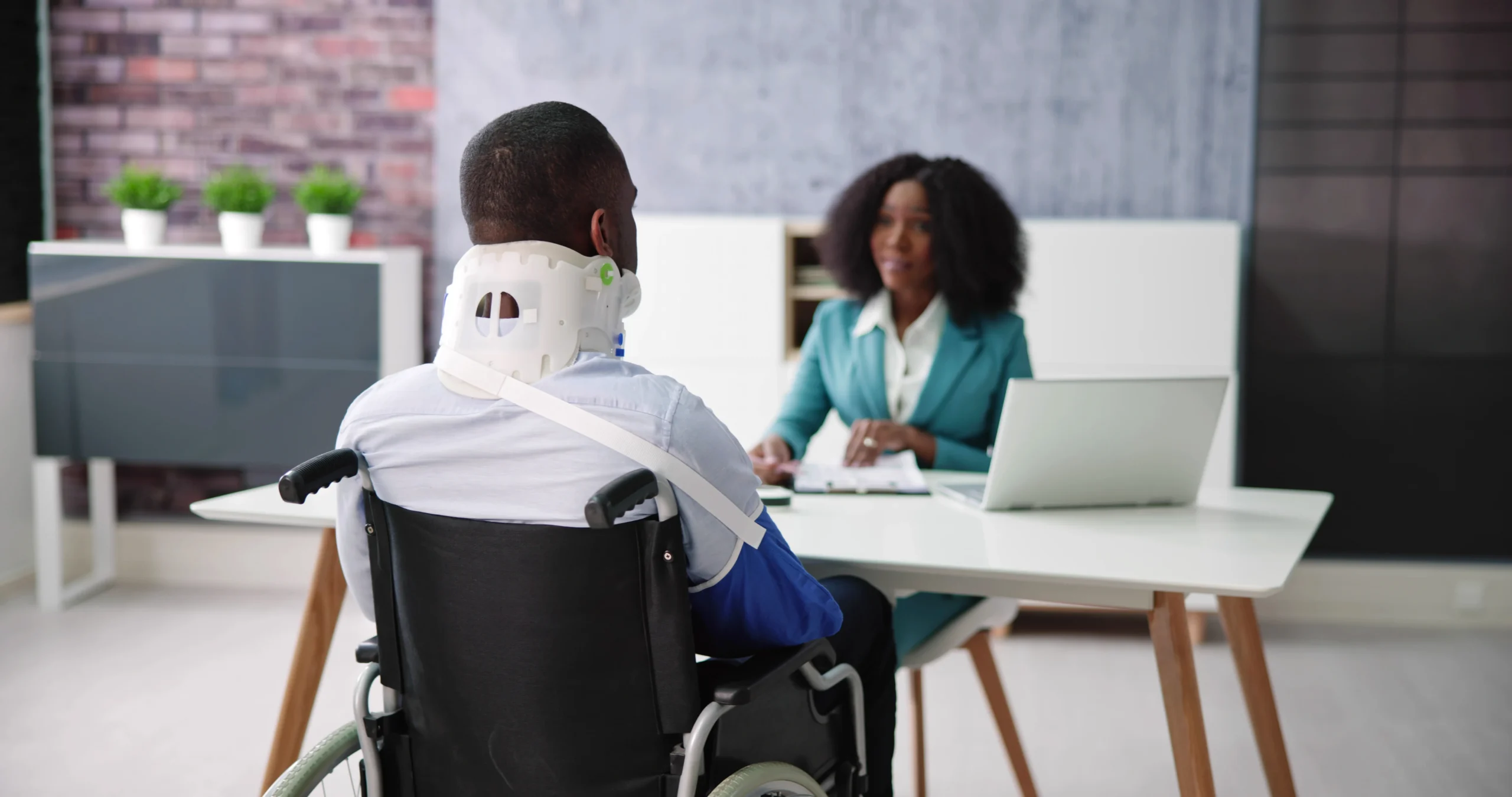
What to Do If a Family Member Has Been Catastrophically Injured in Virginia
When a loved one has been catastrophically injured in Virginia and is in the hospital or unable to make decisions for themselves, the days that follow can feel like a blur of medical updates, paperwork, and rapid-fire decisions. You’re grieving, frightened, and exhausted — and yet the steps you take in the first hours and days can have a dramatic impact on your family’s ability to recover financially.
Summit Law represents Virginia families after catastrophic injuries from car crashes, trucking crashes, premises incidents, and other serious negligence. Below are the four most important things you should know and do if a family member has been catastrophically injured and is hospitalized or incapacitated.
| Why speed matters Evidence disappears quickly after a catastrophic injury. Surveillance footage can be overwritten in days, witnesses become harder to locate, and trucking companies often dispatch their own investigators to the scene within hours. Acting quickly protects your loved one’s case. |
1. Contact a Virginia Catastrophic Injury Attorney Immediately
When an injury leads to a medical emergency that involves hospitalization, rehabilitation, or ongoing critical care, managing medical decisions can be all-consuming. But the days and weeks immediately following a catastrophic crash or incident are the best opportunity to investigate liability and gather critical evidence — witness contact information and statements, surveillance footage, vehicle data, scene photographs, and more.
An attorney experienced with serious injury cases and complex liability issues knows what evidence needs to be gathered and the urgency of gathering it quickly. Without early representation, critical evidence can be lost — or even intentionally destroyed — by at-fault parties and their insurers.
2. Do Not Speak to the At-Fault Party or Their Insurance Representatives
The at-fault party or a representative of the at-fault party (usually an insurance adjuster) may reach out soon after a crash or incident to gather information from you about what happened or to request a recorded statement. Speaking with the at-fault party or their insurer before you have your own attorney is unwise. It gives them the opportunity to gather information — and to lock you into statements — without you understanding the legal implications of every fact in the case.
You can read our detailed recommendations on what to do if an insurance company asks for a recorded statement in a related post.
3. Document Your Loved One’s Injuries and Medical Treatment
When someone is incapacitated, hospitalized, or unconscious for a period of time as a result of a catastrophic injury, there is going to be a significant amount of medical care, symptoms, and suffering that they will be minimally aware of — or completely unaware of. Medical records will tell part of the story, but documenting treatment and injuries yourself is the best way to make sure your loved one’s damages are captured in detail and in real time.
Practical steps family members can take:
- Keep notes on at least a weekly basis describing symptoms, mood, pain levels, and limitations.
- Take photos and videos of lacerations, bruising, surgical wounds, scars, and medical devices.
- Photograph hospital and rehab rooms, equipment, and anything that shows the magnitude of care being provided.
- Save receipts and documentation of out-of-pocket costs — travel, lodging, equipment, caregiver time.
- Keep a list of everyone who visits, who is providing informal caregiving, and how their lives have been impacted.
4. Understand Who Can Legally Make Medical Decisions in Virginia
If your loved one is fully incapacitated or unconscious as a result of a catastrophic injury, you need to determine whether he or she has an advance directive in place that identifies a medical power of attorney. If so, that person is the sole individual permitted to make medical decisions on your loved one’s behalf.
If There Is No Advance Directive
If your loved one does not have an advance directive, the Virginia Code identifies who is permitted to make certain medical decisions, in the following order:

- The patient’s guardian;
- If none of the above, the patient’s spouse (unless a divorce is pending);
- If none of the above, an adult child of the patient;
- If none of the above, the patient’s parent;
- If none of the above, the patient’s adult sibling;
- If none of the above, any other relative of the patient in descending order of blood relationship.
To sort out who is permitted to make medical decisions in your family’s specific situation, Summit Law is happy to provide a referral to a trusted Virginia estate planning attorney with expertise in medical decision-making for incapacitated patients.
Frequently Asked Questions: Catastrophic Injuries in Virginia
What counts as a catastrophic injury in Virginia?
Catastrophic injuries typically include traumatic brain injuries (TBI), spinal cord injuries, paralysis, severe burns, amputations, multiple fractures, and any injury requiring extended hospitalization, surgery, or long-term rehabilitation. Catastrophic injury cases often involve lifelong medical needs and should be handled by a law firm experienced with complex damages.
Who makes medical decisions if my loved one has no power of attorney in Virginia?
When no advance directive exists, the Virginia Code sets an order of priority for medical decision-makers — beginning with a guardian, followed by the spouse, adult children, parents, and siblings (as applicable). An estate planning attorney can help you confirm who has authority in your specific situation.
Why shouldn’t I talk to the insurance company after a family member’s catastrophic injury?
Insurance companies — including the at-fault party’s insurer — are trained to ask questions that lock injured parties and their families into early, incomplete statements. Because Virginia is a strict contributory negligence state, even a seemingly harmless admission can damage your case. Retain counsel first, so they can help you make informed decisions on whether and how to communicate with insurers.
How soon after a catastrophic injury should I hire an attorney in Virginia?
As soon as possible. Evidence gathering — including surveillance video, witness statements, and electronic vehicle data — is most effective in the first hours and days. Early attorney involvement also helps ensure insurance communications don’t harm your case.
Contact Summit Law: Virginia Catastrophic Injury Attorneys
We want to help you navigate this difficult time and set your personal injury case up for success. If a loved one has been catastrophically injured in Virginia and is hospitalized or incapacitated, reach out to Summit Law through our website or the contact info below for a free, confidential case review.